The diagnosis of rare diseases presents various challenges to the scientific and medical community. Traditionally, the diagnosis of these diseases takes several years and involves the documentation of clinical manifestations and the performance of various imaging and biochemical tests by different specialists. Next-Generation Sequencing (NGS), however, has revolutionized the diagnostic workflow and is now routinely used in the medical practice to investigate rare diseases.
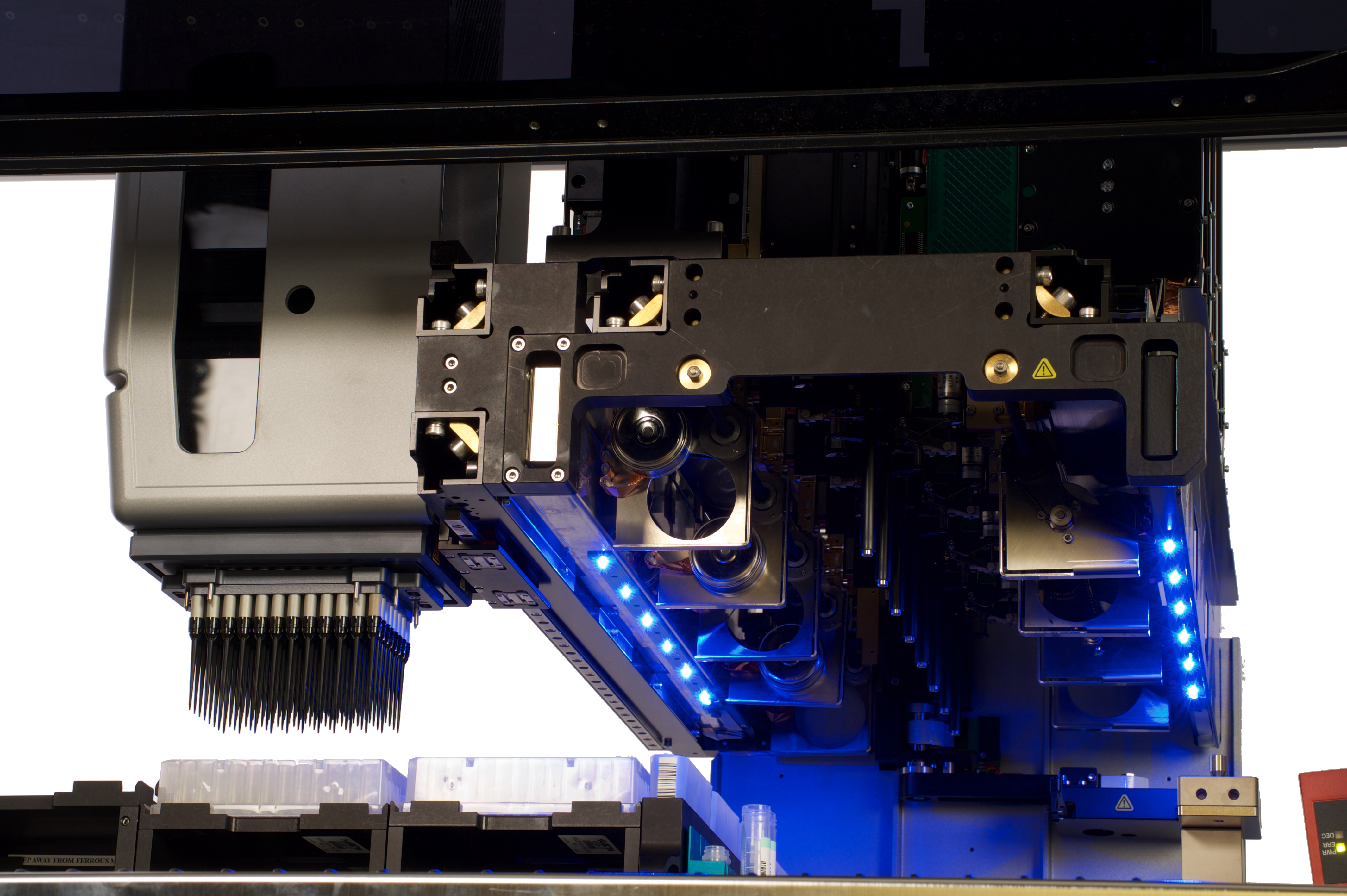
Even though many hospitals do not (yet) perform a large number of NGS tests to diagnose rare diseases, the need for automation has radically increased within the last years. The two main driving forces for this increment are the high sample throughput in several national large-scale sequencing projects and the need for high accuracy and reproducibility.
Chapters included in this eBook: